


The Grammar Of Desire
In Grammar of Desire, Mattie Sterling builds desire on shifting syntax within a fixed image. The work is seductive, but it refuses to settle into a single explanation of why. It moves the way fantasy moves: part surface, part signal, part misdirection. What looks like disclosure turns into performance, and what looks like performance starts to read as control.
Bodies appear, disappear, reappear. There are thresholds everywhere fabric, costume, role, gaze. Nothing is handed over plainly, and nothing is purely withheld. The paintings flirt with recognizability and then interrupt it. A face becomes a mask. A figure becomes a character. The scene slips sideways into something stranger, sometimes funny, sometimes uncanny, as if desire has wandered off-script and found new costumes to try on.
Sterling's palette doesn't beautify, it pressures. Color becomes insistence, a brash orchestration that entices and provokes while refusing a clean moral takeaway. The work keeps asking the viewer to notice how quickly we want to categorize what were seeing: empowerment or objectification, invitation or refusal, fantasy or critique. Gramática del deseo doesn't reward that impatience It makes the act of reading part of the content.
What remains, across the shifts, is self-possession without purity. Sterling doesn't offer desire as a lesson or a confession. She offers it as a field of roles, masks, and thresholds where meaning keeps mutating. In Gramática del deseo, the image seduces. The meaning keep moving.
Texto curatorial/curatorial text: Allicette Torres
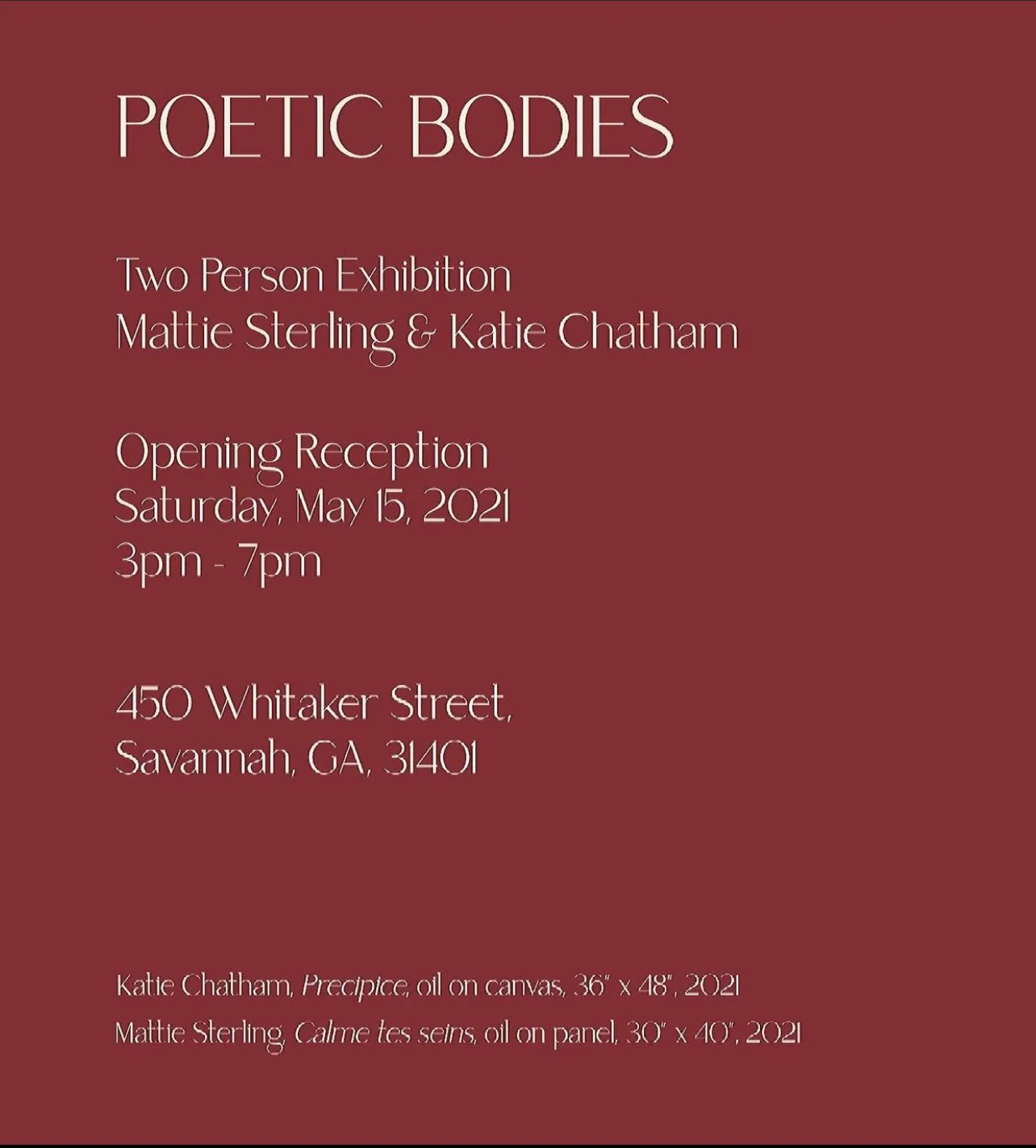
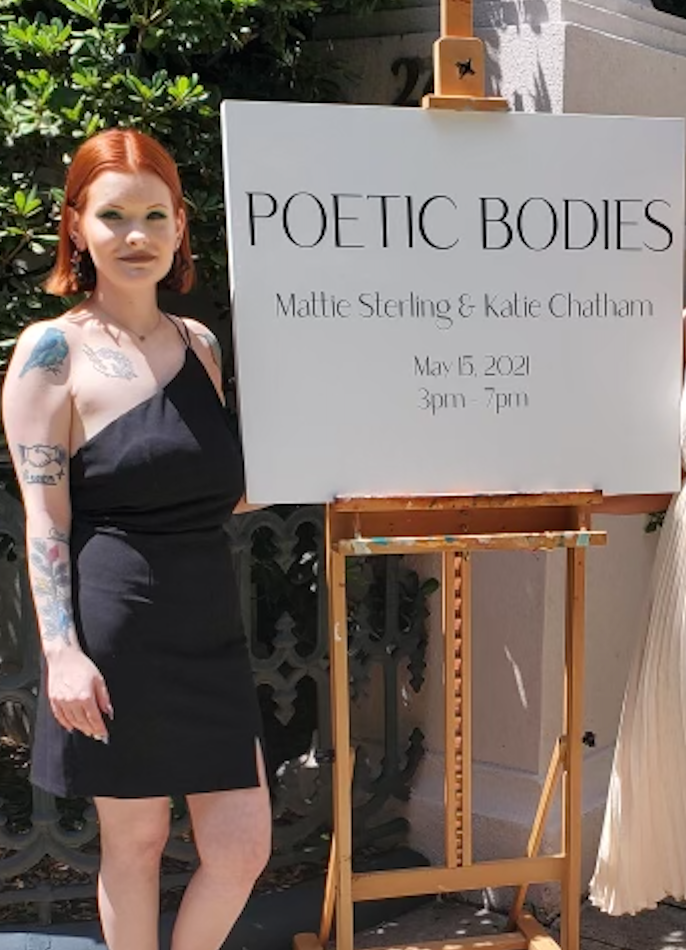
Poetic Bodies
POETIC BODIES explores the sacredness and power of the human figure within two different frameworks. Both artists work with the human form and exploration of the human experience. Their work is a reminder of the authority and freedom that we have within our own lives. Chatham pulls from narratives across cultures that relay stories of human fortitude and transfiguration. Focusing on the Hero’s Journey, she depicts instances of metamorphosis with dramatic imagery of the human figure in oil on canvas. Using traditional methods of oil on panel, Sterling’s work is a manifestation of feminine figures as well as a feminist assessment of conceptions behind women’s sexuality and sexual identity.
With subtle satirical criticism in expression, the work she creates operates outside the confines of a space devoid of meaning and matter because her work allows her to debunk the gendered stereotype of women’s sexual authority over their bodies. This show is uniting narratives that emphasize the power of the subject in hopes for that energy to transfer to the audience, reminding those of the innate presence and sovereignty which lies within them.